Roughly one in three adults is running low on vitamin D right now — and most of them feel a little off without ever connecting the dots. You drag through the afternoon. You catch every cold going round the office. You blame the weather, your workload, your age.
Here’s the uncomfortable part: low vitamin D rarely announces itself. It whispers. And while you ignore the whispers, it quietly chips away at your bones, your mood, and your immune defences. Leave it for years and a shortfall a cheap capsule could fix turns into brittle bones and a mood that never lifts.
By the end of this you’ll know the seven signs that actually matter, why they happen, and the exact three-step fix — no guessing.
Why your body treats vitamin D like a VIP
Most people file vitamin D under ‘bones’ and move on. Mistake. It behaves less like a vitamin and more like a hormone, flipping genes on and off in nearly every tissue you own — muscle, brain, gut, immune cells.
Your skin makes it when sunlight lands on it. The catch? Modern life keeps you indoors, behind glass, sensibly wearing SPF — so the factory sits idle for months, especially October through March. Picture the classic office worker: commute in the dark, fluorescent lights all day, drive home in the dark. That person’s skin can go weeks without seeing real sun.
So the tank runs low. And because the early signs are so easy to explain away, most people don’t notice until it’s nearly empty. Speaking of those signs.
The 7 signs your levels have quietly dropped
- Bone-deep tiredness sleep won’t fix. Not ‘busy week’ tired — the kind where eight solid hours still leaves you flat by 3pm.
- A mood gone grey. Vitamin D helps regulate serotonin, which is why low levels track so closely with the winter slump people shrug off as ‘the blues.’
- You catch everything. Three colds in one season when you used to get one is a textbook immune red flag.
- A deep ache in the bones or lower back. Not gym soreness — a dull, heavy ache, often in the spine, hips, or shins.
- Weak or crampy muscles. Suddenly winded by stairs you used to take two at a time? That’s a measurable symptom, not just age.
- Hair leaving the building. More strands than usual circling the shower drain can trace straight back to low D.
- Cuts that heal in slow motion. Vitamin D helps your skin repair; run low and every scrape lingers.
Recognise three or more? Don’t panic — but don’t shrug either. Because one stubborn myth stops most people from ever fixing this.
Myth vs. Reality: the vitamin D lies you’ve been sold
Myth: ‘I get outside, so I’m fine.’
Reality: A ten-minute winter lunch walk in the UK delivers almost no vitamin D — the sun sits too low to do the job. Latitude, season, and skin tone all change the maths.
Myth: ‘I drink fortified milk, so I’m covered.’
Reality: A glass carries maybe 100 IU. Plenty of people need 1,000-2,000 IU a day. You’d have to drink a bucket.
Myth: ‘More is always better.’
Reality: Vitamin D is fat-soluble, so mega-doses build up and can actually harm you. This is a ‘right amount’ nutrient, not a ‘more is more’ one.
Clear the myths and the fix gets refreshingly simple.

How to refill the tank — without guessing
Step 1: Get the one number that matters
Ask your GP, or use a home finger-prick kit, for a 25(OH)D blood test. It turns ‘I think I’m low’ into an actual figure you can act on. Below 50 nmol/L is generally considered insufficient.
Step 2: Feed it through your plate
Oily fish (salmon, mackerel, sardines), egg yolks, and fortified foods all help — a single wild salmon fillet gives a serious top-up. But food alone rarely closes a real gap.
Step 3: Supplement smart
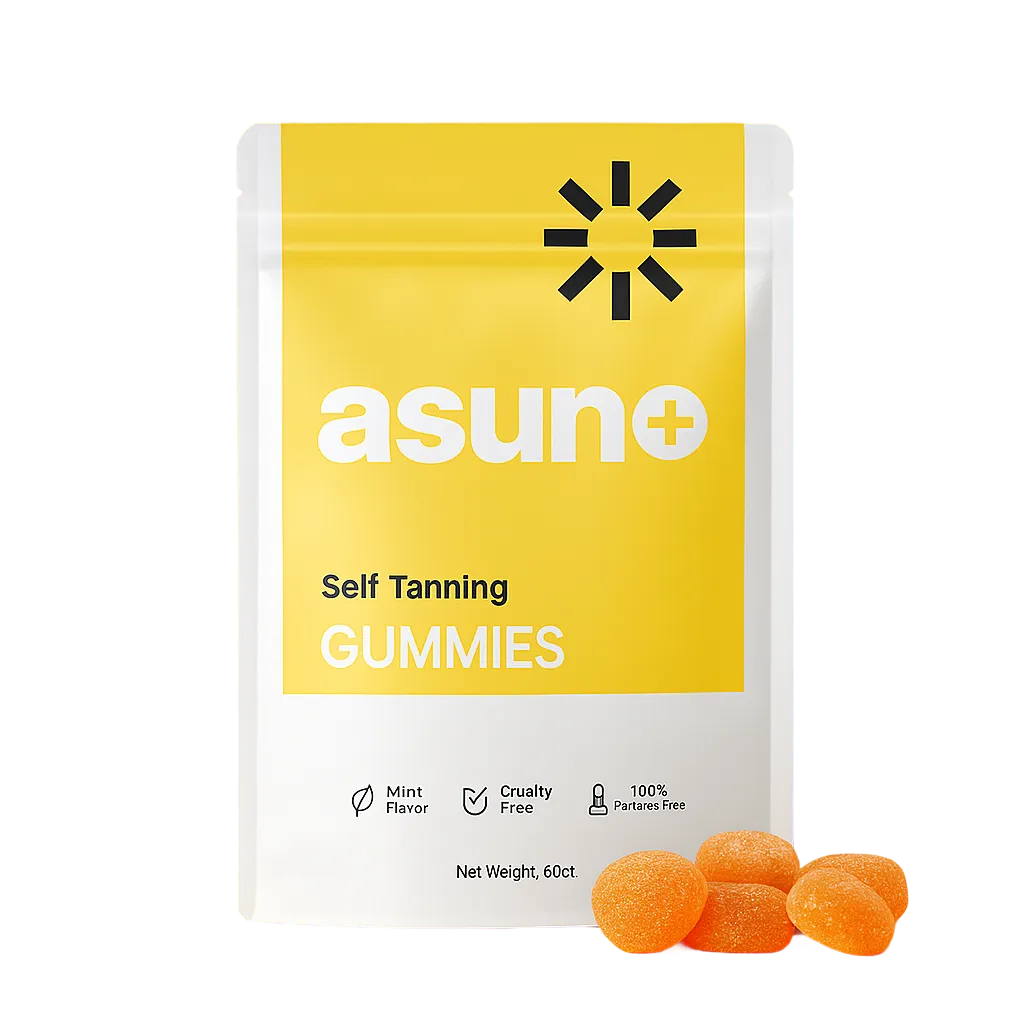
From autumn to spring, a daily vitamin D3 at 1,000-2,000 IU is the reliable move. Take it with a meal that contains some fat so your body actually absorbs it. A quality daily D3 (Asuno’s is built for exactly this) takes the thinking out of it.
Do those three things and most people feel it within a few weeks — steadier energy, a lighter mood, fewer sniffles.
Your next move
You can’t fix a number you’ve never measured. Book a vitamin D test this week — one small blood draw is the whole difference between guessing and knowing.
General information, not personal medical advice. Check with your doctor before starting any supplement.