Your skin started ageing earlier than you think. From your mid-twenties, collagen production drops by around 1% a year — which means by the time you hit 40, you’ve quietly shed nearly a fifth of the scaffolding that keeps your face firm.
That’s the plot behind the fine lines, the slight sag, the loss of that bouncy ‘snap’ skin used to have. And here’s the frustrating part: most people fight it by spending a fortune on products that physically cannot do what the label promises. You end up poorer, not plumper.
Let’s fix that. Here’s what genuinely rebuilds skin collagen — and what’s expensive theatre.
What collagen actually does for your face
Collagen is the structural protein that forms a springy mesh in the deeper layer of your skin. It gives skin strength; its partner elastin gives it bounce. As both decline, skin thins, creases set in, and wounds heal slower. Think of a new sofa cushion versus one that’s been sat on for fifteen years — same idea, less spring.
So the goal is simple: slow the loss and nudge production. The question is what actually manages that.
Myth vs. Reality: where your money is being wasted
Myth: ‘Collagen creams replace lost collagen.’
Reality: The collagen molecule is far too big to pass through your skin’s surface. Slathering it on is like posting a sofa through a letterbox — it just sits on the doormat. Creams can hydrate and plump temporarily, but they don’t restock your collagen.
Myth: ‘Eat collagen and it goes straight to your face.’
Reality: Your gut breaks collagen into amino acids and peptides first — it doesn’t get couriered to your cheeks. But (and this matters) those peptides appear to signal your body to make more of its own collagen, which is why supplements can still work.
Myth: ‘A single serum will turn back the clock.’
Reality: No product does. Real results come from a small stack of habits, run consistently.
So what’s left once you strip out the hype? More than you’d think.

What genuinely supports your collagen
The supplement that has actual evidence
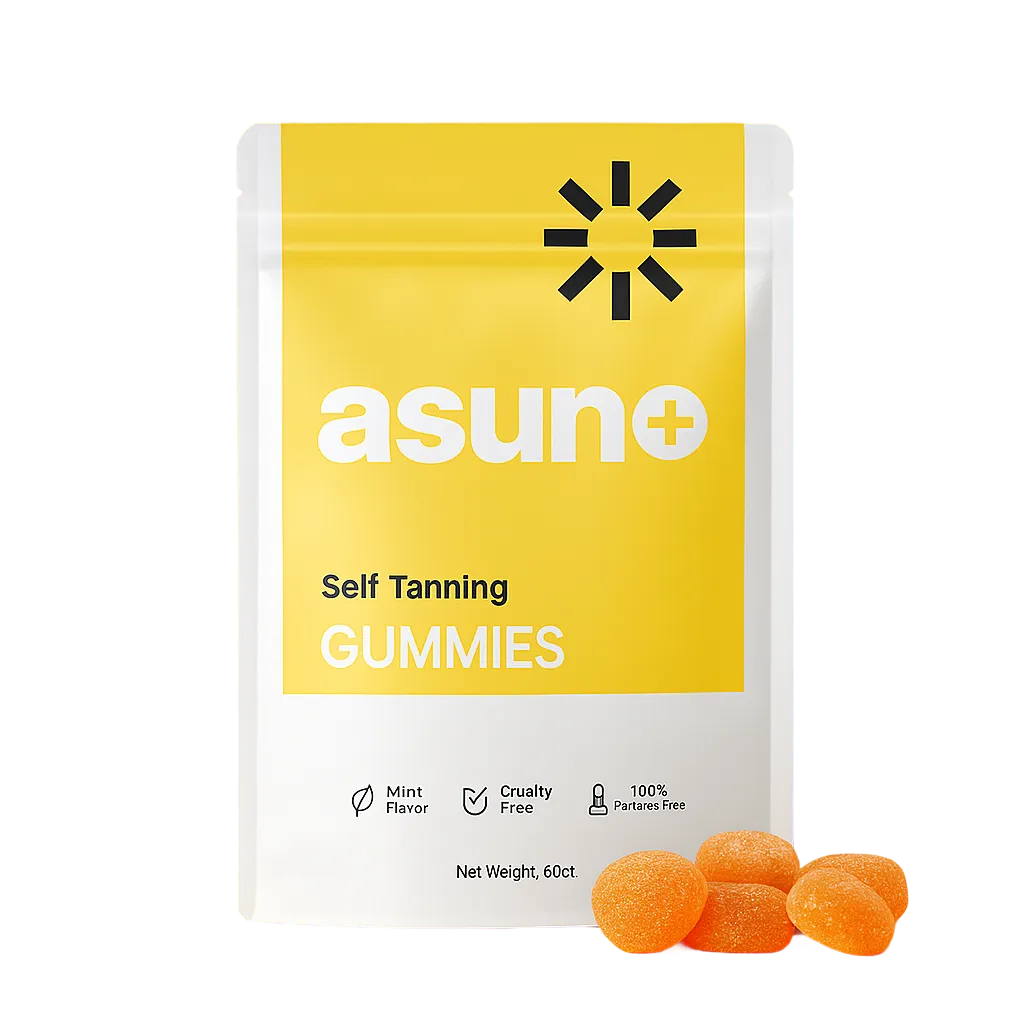
Several randomised trials show that hydrolysed collagen peptides, taken daily, improve skin elasticity and hydration after 8-12 weeks. The effect is gradual, not a filter — but it’s real, and consistency is the price of entry. A quality daily collagen or skin-support formula (Asuno’s is built for this) makes the habit easy to keep.
The free stuff that punches above its weight
- Vitamin C is a required cofactor for making collagen — no C, no build. Eat it and consider it in your skincare.
- Protein at every meal supplies the amino-acid bricks.
- Daily SPF is the single biggest collagen-saver there is, because UV shreds collagen faster than anything.
- Don’t smoke, ease off excess sugar — both quietly degrade collagen through a process called glycation.
Notice the pattern: protect first, rebuild second. Skip the protection and you’re filling a bath with the plug pulled.
Start where it counts
You can’t out-supplement sun damage, so protection beats every serum you’ll ever buy. Put on SPF tomorrow morning before anything else — then, if you want to give production a real nudge, add a daily collagen supplement and give it three months.